


Zero-Proof Cocktails: What They Are, Plus 25 Alcohol-Free Recipes
What a zero-proof cocktail is, 25 recipes by style, the bottles that make most of them, and when to buy ready-made.

A zero-proof cocktail is a cocktail made without alcohol. “Proof” is how alcohol strength is measured on spirits, so zero proof means none. It’s built the way a bartender builds any cocktail, balancing sour, sweet, bitter and dilution, using a non-alcoholic spirit or fresh juice, syrups, bitters and bubbles. Below are 25 recipes by style, the four bottles that cover most of them, and when it’s easier to buy the drink ready-made.
Four bottles that cover most recipes
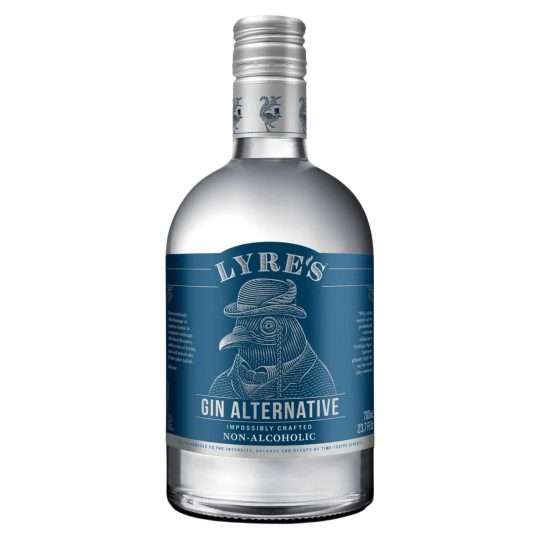
- <0.5%
- Never Alcoholized
- Australia


See every non-alcoholic spirit and mixer →
What “zero proof” means
In the US, proof is twice the alcohol by volume: an 80-proof gin is 40% alcohol. Zero proof means no alcohol in the glass. Bars use the term for drinks built like cocktails, often with a non-alcoholic spirit; “mocktail” covers much the same ground, and many menus use the two interchangeably.
- Most non-alcoholic spirits are under 0.5%, the same as non-alcoholic beer and wine. A cocktail made with them can carry a trace. Here’s what the labels mean.
- For exactly 0.0%, use ingredients labeled 0.0%, or build the drink from juice, tea, syrups and soda.
- Watch the bitters. Classic cocktail bitters are made with alcohol; a dash adds a little. All The Bitters are 0.0%. More in our bitters guide.
25 zero-proof cocktail recipes
Spritzes and bubbles
Stirred and spirit-forward
Make the basics yourself: simple syrup, real grenadine, honey ginger syrup, aquafaba for foam and a fruit shrub. New to the terms? See what the recipes mean. Every recipe is in recipes and mocktails.
Make it or buy it ready-made?
For six classics we compare the canned and bottled versions with making your own, and link the recipe:
| Drink | Make or buy |
|---|---|
| Margarita | Margarita: make or buy |
| Paloma | Paloma: make or buy |
| Negroni | Negroni: make or buy |
| Moscow Mule | Moscow Mule: make or buy |
| Espresso Martini | Espresso Martini: make or buy |
| Dark and Stormy | Dark and Stormy: make or buy |
Tips for better zero-proof cocktails
Start with a good base
A non-alcoholic spirit gives a drink its backbone. Choose by the drink: gin, whiskey or tequila alternatives, or an aperitif. Comparing brands? See Little Saints vs Ghia vs Seedlip.
Mind the dilution
Without alcohol, a drink has less body, so ice melt matters more. Shake or stir briefly, and use large, cold ice.
Balance sour and sweet
Measure the citrus and syrup; small changes show more than in a drink with alcohol.
Add bitterness and salt
A dash of bitters or a pinch of salt gives a drink length and structure.
Top with the right bubbles
Tonic, soda and ginger beer aren’t interchangeable; see seltzer vs sparkling water vs tonic.
Starting a shelf? See what to buy first, how long non-alcoholic spirits keep once opened, and whether to drink them neat.
Shop by what matters to you
Common questions
What is a zero-proof cocktail?
A cocktail made without alcohol. It's built like any cocktail, often with a non-alcoholic spirit, plus citrus, syrups, bitters and soda.
What does zero proof mean?
No alcohol. Proof measures alcohol strength; in the US it's twice the alcohol by volume, so 80 proof is 40%.
Is a zero-proof cocktail the same as a mocktail?
Mostly. Many menus use the terms interchangeably; "zero proof" tends to mean a drink built like a cocktail, often with a non-alcoholic spirit.
Do zero-proof cocktails have any alcohol?
Most non-alcoholic spirits are under 0.5%, and classic bitters contain alcohol, so a drink can carry a trace. For exactly 0.0%, use ingredients labeled 0.0%.


