


What the Recipes Mean: Muddle, Double Strain, Express the Peel and More
Every term in our recipes explained, with kitchen stand-ins for bar tools and a recipe to practice each one.

Recipes use a short bar vocabulary: build, shake, stir, muddle, double strain, express the peel. Each one is a simple step with a reason behind it, and most matter more in a drink without alcohol, where dilution and texture do the work alcohol usually does. Here’s what every term in our recipes means, what to use if you don’t own the bar tool, and a recipe to practice on.
Four bottles to practice with
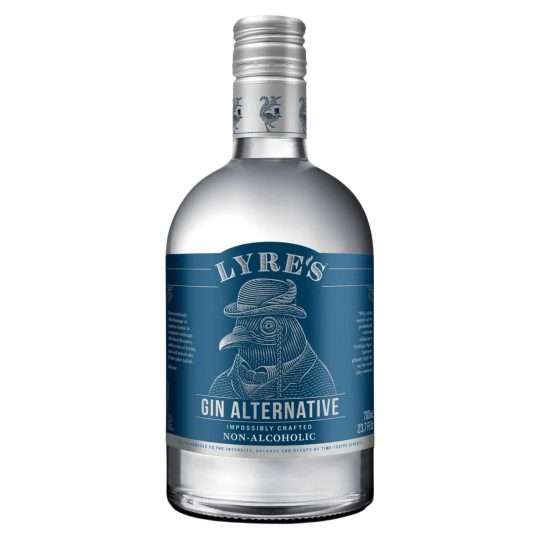
- <0.5%
- Never Alcoholized
- Australia


- 0.0%
- Never Alcoholized
- United States

See every non-alcoholic spirit and mixer →
Ways to mix
- Build: Pour everything straight into the glass you’ll serve it in, over ice. For tall, fizzy drinks. Try a gin and tonic.
- Shake: Shake hard with ice for 10 to 15 seconds to chill, dilute and add air. Use it for drinks with citrus, juice or syrup, like a margarita.
- Dry shake: Shake without ice first, then again with ice. It whips egg white or aquafaba into foam, as in a whiskey sour.
- Stir: Stir with ice for 20 to 30 seconds for a silky, clear drink. For drinks with no juice, like a Negroni or a Martini.
- Muddle: Press herbs or fruit in the bottom of the glass to release their oils and juice. Press, don’t grind, or mint turns bitter. Try a mojito.
- Top: Finish with a sparkling ingredient after everything else, so it keeps its bubbles, as in a spritz.
- Float: Pour a final ingredient slowly over the back of a spoon so it sits on top in a layer.
Straining and finishing
- Strain: Pour the drink off the ice it was mixed with, so it doesn’t keep diluting in the glass.
- Double strain: Strain through a fine sieve as well, to catch ice chips, pulp and herb bits. Gives a smoother drink, as in a gimlet.
- Express the peel: Squeeze a strip of citrus peel, shiny side down, over the drink to spray its oils on the surface, then rub it on the rim. Much of an Old Fashioned‘s aroma comes from this.
- Twist: The strip of peel itself, once expressed, dropped in or hung on the glass.
- Rim: Run a lime wedge round the edge of the glass and dip it in salt or sugar.
- Up / on the rocks / neat: Up means chilled and served without ice; on the rocks means over ice; neat means poured straight, unchilled.
Measures
| Term | About |
|---|---|
| 1 oz | 30 ml |
| Jigger | 1 oz and 2 oz cups (30 and 60 ml) |
| Bar spoon | 5 ml, about a teaspoon |
| Dash | One quick shake of a bitters bottle |
| Simple syrup | Sugar and water, 1 to 1 |
Make your own simple syrup, honey ginger syrup or real grenadine. Classic cocktail bitters are made with alcohol, so a dash adds a little; alcohol-free bitters avoid it. More in our bitters guide.
No bar tools? Use these
| Tool | Stand-in |
|---|---|
| Shaker | A jar with a tight lid |
| Strainer | The jar lid held slightly open |
| Fine strainer | A tea strainer or small sieve |
| Muddler | The end of a wooden spoon |
| Jigger | Measuring spoons: 2 tablespoons is 1 oz |
| Bar spoon | A long teaspoon or a chopstick |
Why technique matters more without alcohol
Alcohol gives a cocktail weight and warmth. Without it, a drink can taste thin if it’s over-diluted, so shake and stir just long enough, use plenty of cold ice, and strain off it. Foam, salt, bitterness and an expressed peel add the texture and aroma that make a non-alcoholic drink feel finished. Start with what a mocktail is or what to buy first, then pick from 25 zero-proof cocktail recipes.
Shop by what matters to you
Common questions
What does muddle mean in a recipe?
Press herbs or fruit in the bottom of the glass or shaker to release their oils and juice. Press gently; grinding mint makes it bitter.
What does double strain mean?
Pour the drink through the shaker's strainer and a fine sieve at the same time, to catch ice chips, pulp and herb bits.
What does express the peel mean?
Squeeze a strip of citrus peel, shiny side down, over the drink so its oils spray across the surface, then rub it on the rim.
When should you shake or stir a drink?
Shake drinks with citrus, juice, syrup or foam. Stir drinks made only of spirits, vermouth and bitters, like a Negroni or Martini.


