


How to Host a Non-Alcoholic Wine Tasting Party, Blind Tasting Included
How many wines and pours, the tasting order, themes, how to taste, a blind tasting game and ready-made flights.
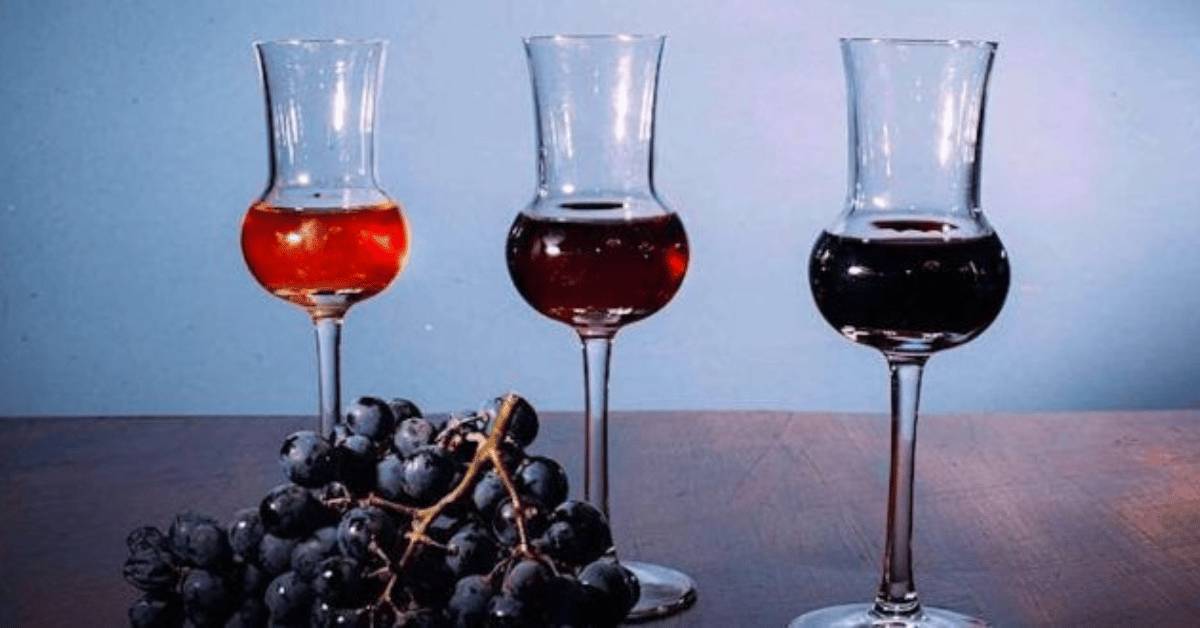
A non-alcoholic wine tasting works like any wine tasting: four to six wines, poured in small 2 oz measures from lightest to boldest, with water and plain crackers between them and a card to note what each one tastes like. Pour them blind, in numbered bags, and the evening becomes a game. A sampler set gives you a ready-made flight. Here’s how to plan one, run it and make it fun.
Ready-made flights

- <0.5%
- Dealcoholized
- France, Germany, Spain

- <0.5%
- Dealcoholized
- France, Italy, Spain


- 0.0%
- France, Italy, Spain
Plan it
| Decide | Our suggestion |
|---|---|
| How many wines | Four to six |
| Pour size | 2 oz (60 ml); a bottle gives about 12 pours |
| Guests | 6 to 10 is easy to run |
| Order | Sparkling, white, rosé, red, then anything sweet |
| Temperature | Whites, rosés and sparkling chilled; reds cool, not warm |
| On the table | Water, plain crackers or bread, a spit cup, pens and cards |
For eight guests and five wines, five bottles leave enough for a second pour of the favorites.
Pick a theme
One house
Every style from one producer, like the Kolonne Null set: you learn whose winemaking you like.
One grape, many places
Chardonnay or Cabernet from France, Spain and California, side by side.
Made as wine, or not
Dealcoholized wines next to never-alcoholized ones; here’s how they differ.
Bubbles only
Brut to demi-sec, still to sparkling; see the best sparkling and the best rosé.
How to taste
Look
Tilt the glass against something white: note the color and how clear it is.
Swirl and smell
Swirl to open it up, then take a few short sniffs. Fruit, flowers, spice, toast?
Sip
Hold it in your mouth for a moment. Is it sweet or dry? How sharp is the acidity? Light or full?
Finish
How long does the taste stay after you swallow?
Note it
A score out of 5 and two or three words is enough.
Expect a lighter body than wine with alcohol, especially in reds; that’s the alcohol that’s missing, not a fault. More in does non-alcoholic wine taste like wine. Sugar is on every label we list, and it’s a good thing to compare; see sugar in non-alcoholic wine.
Make it a blind tasting
Bag and number
Put each bottle in a paper bag and number it; someone not playing does the pouring.
Taste and guess
Guests guess the grape, the country, which is the most expensive, or which was made as wine first.
Score
Each guest ranks their favorites before anything is revealed.
Reveal
Unbag in reverse order of the group’s scores. The surprise favorite is the point.
Food
- During the tasting: plain crackers, bread and water, so the wines aren’t masked.
- After: a cheese and charcuterie board, or a simple dinner matched to the favorite. See food for red and food for white.
- On the labels: most of these wines are under 0.5% or 0.0%; if a guest needs 0.0%, pick those. Here’s what the labels mean.
Hosting a bigger party? See how to throw an alcohol-free party. To build your own flight, start with the best non-alcoholic wines.
Shop by what matters to you
Common questions
How do you host a non-alcoholic wine tasting?
Pick four to six wines, pour 2 oz tastes from lightest to boldest, set out water and plain crackers, and give everyone a card to score each wine.
How much wine do I need for a tasting?
A 750 ml bottle gives about twelve 2 oz pours. For eight guests and five wines, one bottle of each is plenty.
How do you do a blind wine tasting?
Put each bottle in a numbered paper bag, have someone not playing pour, let guests taste and score, then reveal the bottles in reverse order of the scores.
What order should wines be tasted in?
Sparkling first, then whites, rosés and reds, with anything sweet last, so lighter wines aren't overshadowed.


