


French Bloom Review: Le Blanc, Le Rosé, Extra Brut and La Cuvée Compared
How French Bloom's four 0.0% sparkling wines compare on sweetness, taste and food, and which to buy for each occasion.

French Bloom makes four alcohol-free sparkling wines from organic French Chardonnay, all labeled 0.0%: Le Blanc, Le Rosé, Extra Brut and La Cuvée. They differ in sweetness, depth and price more than in quality. Here is how the four compare, which to pour for what, and the sizes they come in. We sell all of them.
The four at a glance
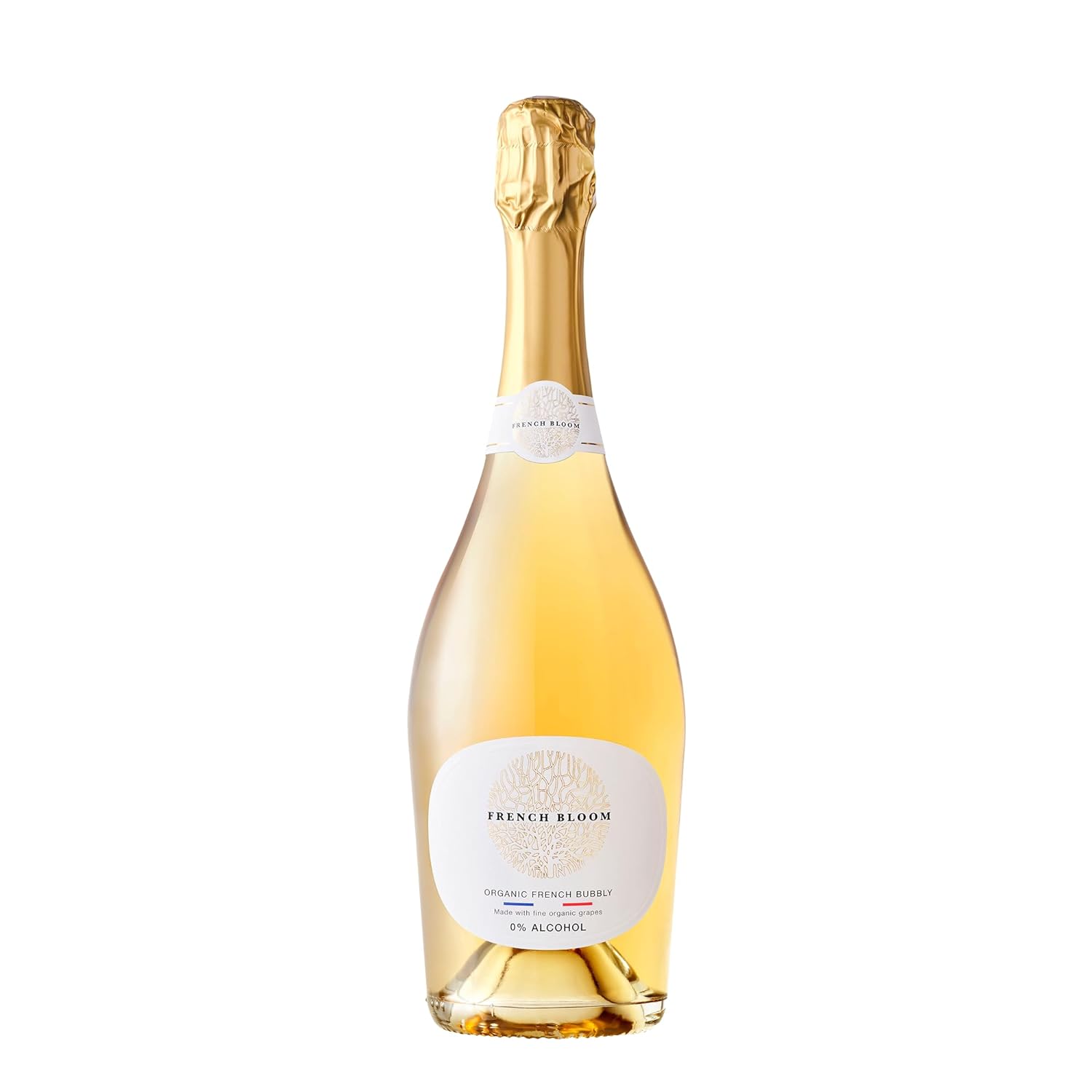
Le Blanc
Citrus, pear and honey. The one most people start with.
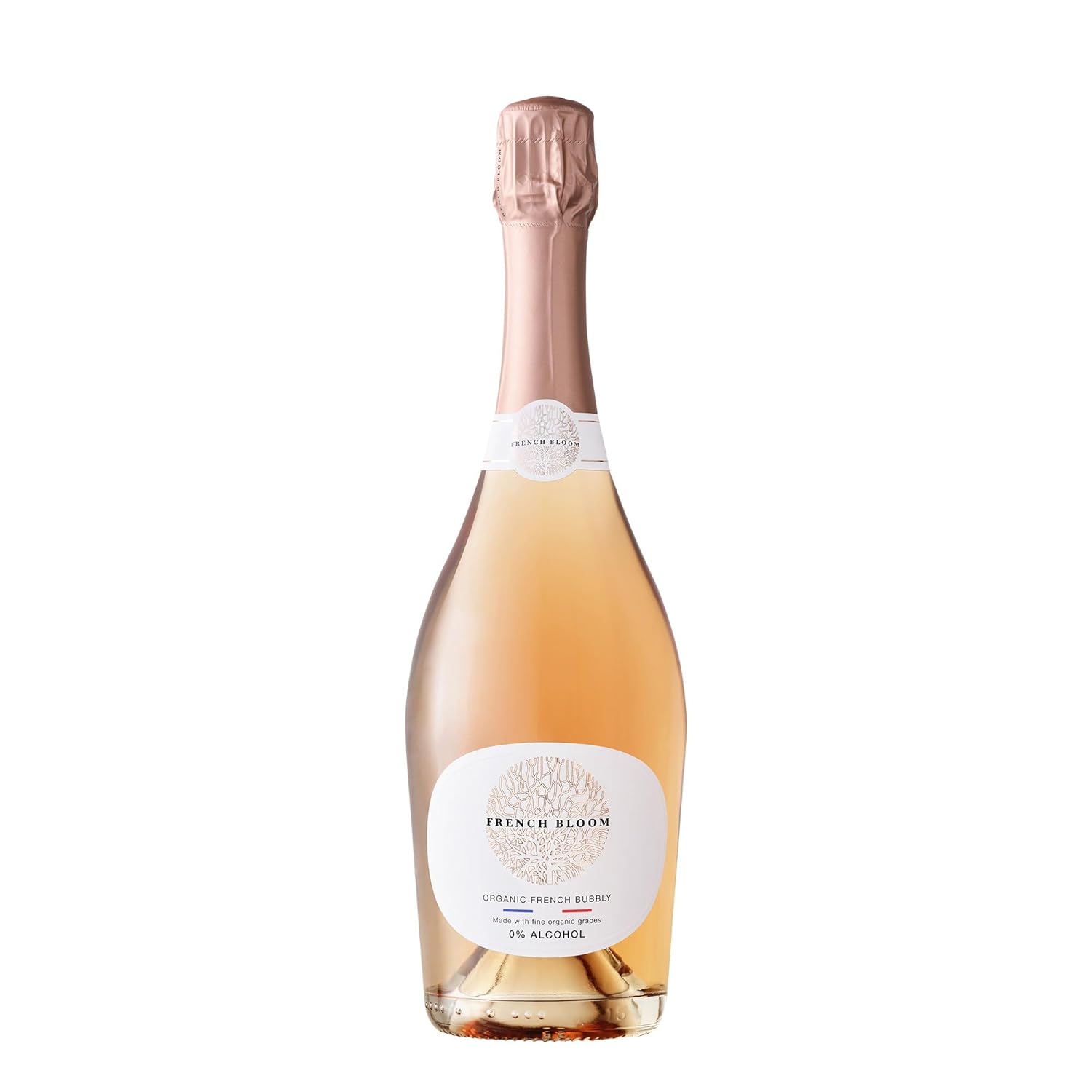
Le Rosé
Rose petal, red berries and white peach. The fruitiest.

Extra Brut
Bone dry, citrus and mineral. For brut Champagne drinkers.

La Cuvée
Toast, dried apricot and caramelized nuts. The one for a fine dinner.
From driest to softest
Sugar per 100 mL, from each label. The difference you taste is mostly here:
Our picksAlso comparedg sugar per 100 mL
- French Bloom Extra Brut0.0 g0.0% · Dealcoholized · France
- French Bloom Le Blanc2.4 g0.0% · Dealcoholized · France
- French Bloom La Cuvée2.5 g0.0% · Dealcoholized · France
- French Bloom Le Rosé4.2 g0.0% · Dealcoholized · France
| Bottle | Pour it with |
|---|---|
| Extra Brut | Oysters, shellfish, an aperitif |
| Le Blanc | Seafood, dinner, a celebration toast |
| La Cuvée | Aged Comté, lobster, a special dinner |
| Le Rosé | Brunch, red fruit desserts, warm evenings |
What they share
0.0%, not under 0.5%
Every French Bloom bottle is labeled 0.0%, made from wine with the alcohol removed.
Organic Chardonnay
All four are built on organic French Chardonnay; Le Blanc and Le Rosé add Gensac spring water, grape juice and lemon.
Certified, and sulfite-free
Certified organic, halal certified and vegan, and on our sulfite-free shelf: French Bloom says it never adds sulfites.
Serve it cold
Very cold, 36–39 °F, in a flute. La Cuvée is the exception: a little warmer, 39–43 °F, in a tulip glass.
The question isn’t which French Bloom is best. It’s how dry you like it.
Which to buy
By occasion. The numbers aren’t a ranking.
- 01A first bottle, or a toastFrench Bloom Le Blanc
- 02Brut Champagne drinkersFrench Bloom Extra Brut
- 03Rosé lovers and brunchFrench Bloom Le Rosé
- 04A celebration dinnerFrench Bloom La Cuvée


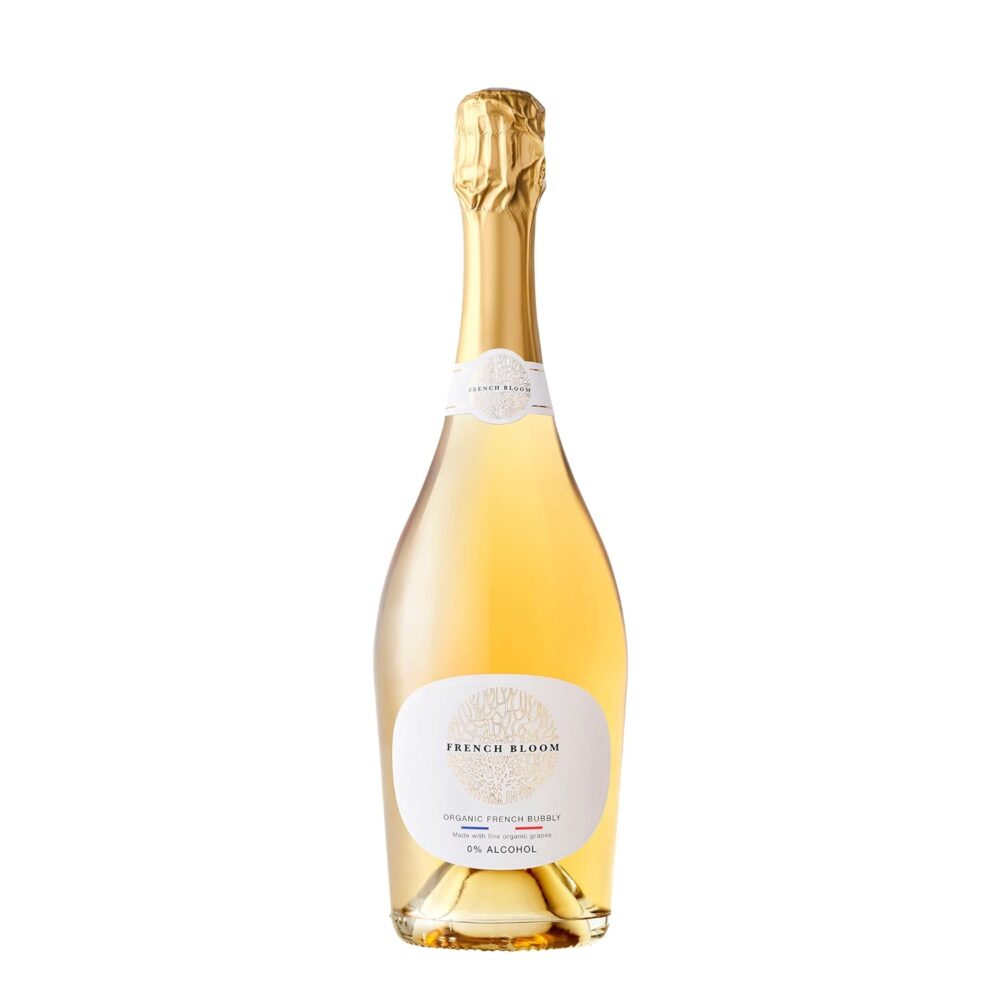
French Bloom Le Blanc
- 0.0%
- 2.4 g sugar per 100 mL
- Dealcoholized
- France
The bottle most people mean when they say French Bloom. Also in a 375 mL half bottle.

French Bloom Extra Brut
- 0.0%
- 0.0 g sugar per 100 mL
- Dealcoholized
- France
Chardonnay, citrus and mineral. Made for oysters and shellfish.
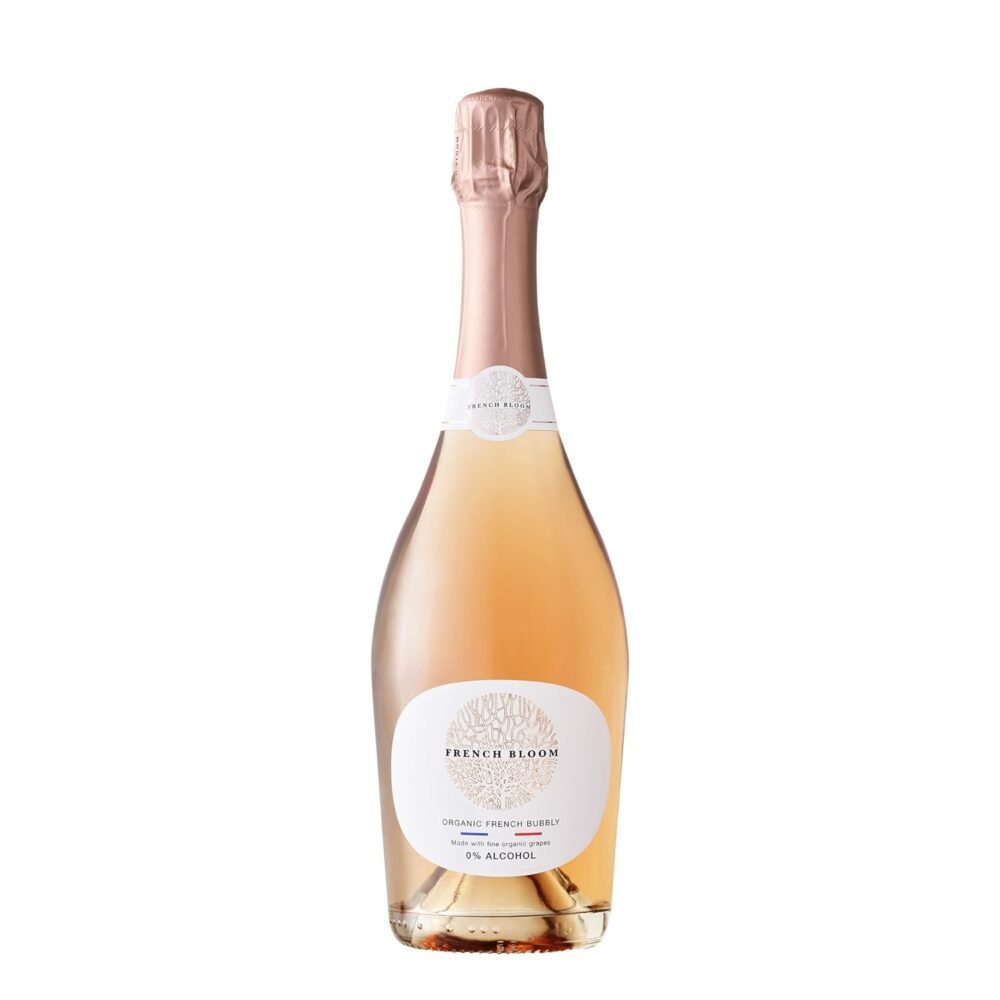
French Bloom Le Rosé
- 0.0%
- 4.2 g sugar per 100 mL
- Dealcoholized
- France
White peach and minerality. Also in a 375 mL half bottle.

French Bloom La Cuvée
- 0.0%
- 2.5 g sugar per 100 mL
- Dealcoholized
- France
Caramelized nuts and oak, made to sit beside a fine meal. Serve it a little warmer than the others.
Against other premium sparkling
French Bloom sits at the top of non-alcoholic sparkling on price, with La Cuvée and Extra Brut its most special bottles. If you are choosing a bottle for an occasion and want to weigh it against other premium options, such as So Jennie Paris or Bolle, see the best non-alcoholic sparkling wines, where they are compared side by side.
Gifting, or can’t decide?

Half bottles (375 mL) of Le Blanc and Le Rosé suit a toast for two; duos and cases of six are on our French Bloom page.
Common questions
Is French Bloom really alcohol-free?
Every French Bloom bottle is labeled 0.0% alcohol. It is made from organic French wine with the alcohol removed, and labeled 0.0% rather than under 0.5%, the US limit for non-alcoholic.
Which French Bloom is the driest?
Extra Brut, at 0 g of sugar per 100 mL. Le Blanc and La Cuvée are close behind at about 2.5 g, and Le Rosé is the softest at 4.2 g.
Is French Bloom good during pregnancy?
It is labeled 0.0% alcohol, which is why many people choose it to celebrate during pregnancy. Check the ingredients with your doctor or midwife; they are wine with the alcohol removed, water, grape juice and lemon.
What is the difference between French Bloom Le Blanc and La Cuvée?
Le Blanc is bright and citrusy, made to pour at any celebration. La Cuvée is richer, with toast, dried apricot and caramelized nuts, and is made to go with a fine meal. It costs about twice as much.


