


How Many Calories Are in Non-Alcoholic Wine?
Far fewer than in wine, because most of wine's calories come from the alcohol. Here is what is left, per glass and per bottle, from the labels of the wines we stock.
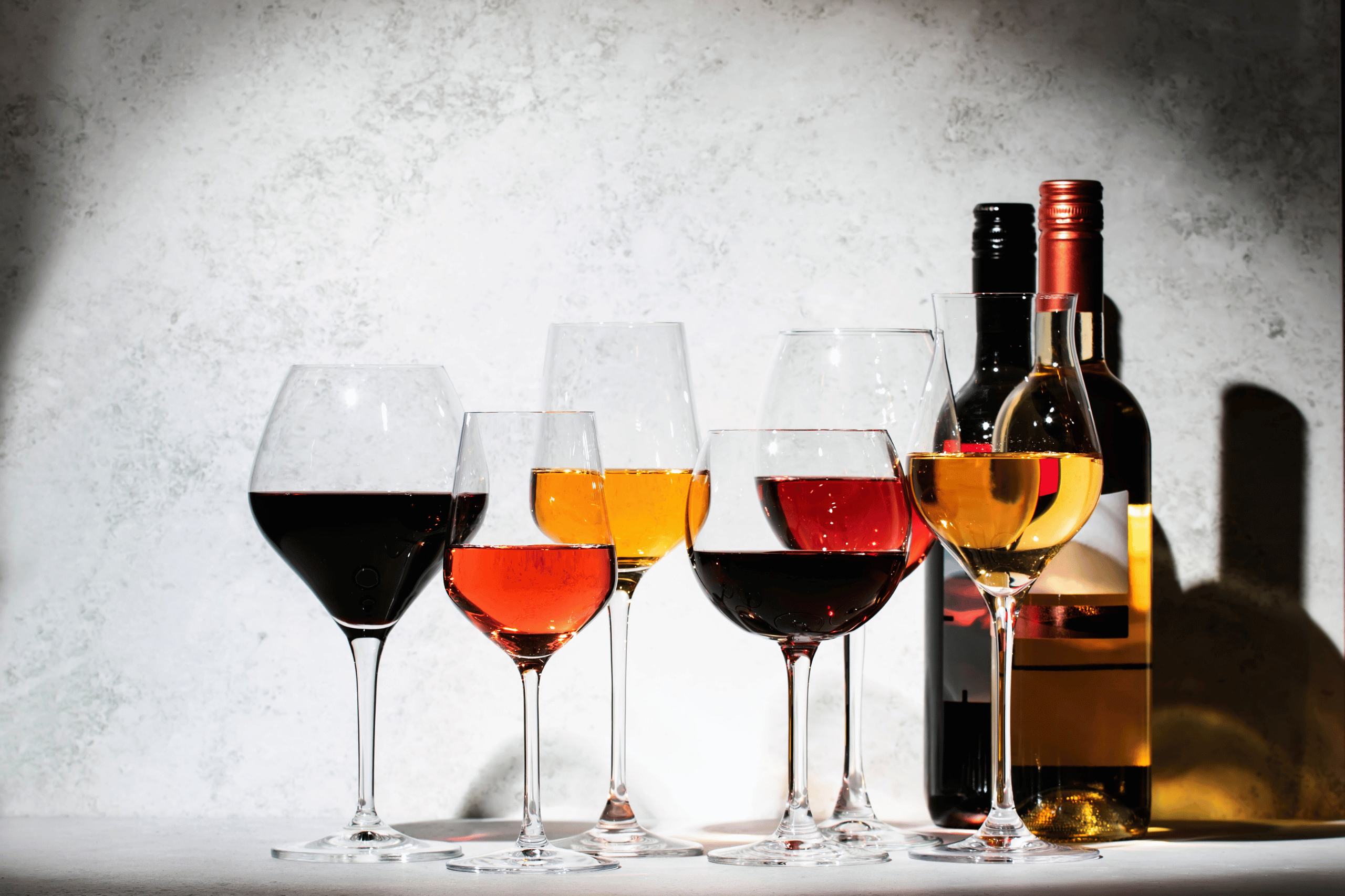
Non-alcoholic wine has calories, but far fewer than wine, and the reason is simple: most of the calories in a glass of wine come from the alcohol itself. Take the alcohol out and what remains is the sugar, plus a little from the grape. Here is how that works out per glass and per bottle, using the nutrition labels on the wines we stock.
- HALALHalal: is non-alcoholic wine halal?
- KOSHERKosher non-alcoholic wines
- SULFITESulfite-free wine
- GLUTENGluten-free wine
- CALORIESCalories in non-alcoholic wine · you are here
- PREGNANTNon-alcoholic wine in pregnancy
About 120
Calories in a 5 oz glass of wine at 12.5% alcohol.
About 27
In a typical non-alcoholic wine, same glass.
0 to 80
The range across the 118 wines we compared in October 2026.
Sugar
Sets the number once the alcohol is gone.
Where the calories in wine come from
Alcohol carries 7 calories per gram; sugar carries 4. Here is what that does to a 5 fl oz (150 mL) glass:
Wine at 12.5%
About 15 g of alcohol, roughly 105 calories, plus a few grams of sugar and other grape solids: 120 to 125 in all.
Non-alcoholic wine
The alcohol’s 105 calories go with it. What is left is set almost entirely by how much sugar is in the bottle.
That is why two non-alcoholic wines can differ more from each other than either does from water.
How many calories in a glass
In October 2026 we compared the labels of the 118 non-alcoholic still and sparkling wines we had in stock, each converted to the same 5 fl oz glass. The lowest are labeled zero, which means under 5 calories a serving; the middle is about 27, and three in four come in under about 32; the top of the range, 50 to 80, is all sweet or semi-sweet styles such as Moscato, demi-sec sparkling and fruit-led wines like Stella Rosa.
| 5 fl oz (150 mL) glass | Calories | Why |
|---|---|---|
| Wine at 12.5% alcohol | about 120–125 | Mostly alcohol |
| Dry non-alcoholic wine | 0–20 | Little sugar left |
| Typical non-alcoholic wine | 20–35 | Some sugar for body |
| Sweet or semi-sweet non-alcoholic wine | 50–80 | Sugar is the style |
The lowest-calorie bottles we stock
The lowest-calorie white, red, rosé and sparkling on our shelf, each from its label. The numbers aren’t a ranking.
- 01A white with nothing to countElivo Cardio Zero White
- 02A red with nothing to countElivo Cardio Zero Red
- 03A rosé with nothing to countElivo Cardio Zero Rosé
- 04Bubbles, almost nothing to countFrench Bloom L'Extra Brut


Elivo Cardio Zero White
- 0.0%
- 0.0 g sugar per 100 mL
- Dealcoholized
- Spain
A dealcoholized Spanish white from Airén and Verdejo, dry and light. Zero on a US label means under 5 calories a serving.

Elivo Cardio Zero Red
- 0.0%
- 0.0 g sugar per 100 mL
- Dealcoholized
- Spain
A dealcoholized Spanish red from Grenache, Mencía and Tempranillo. Serve it a little cool: light reds without alcohol taste rounder below room temperature.
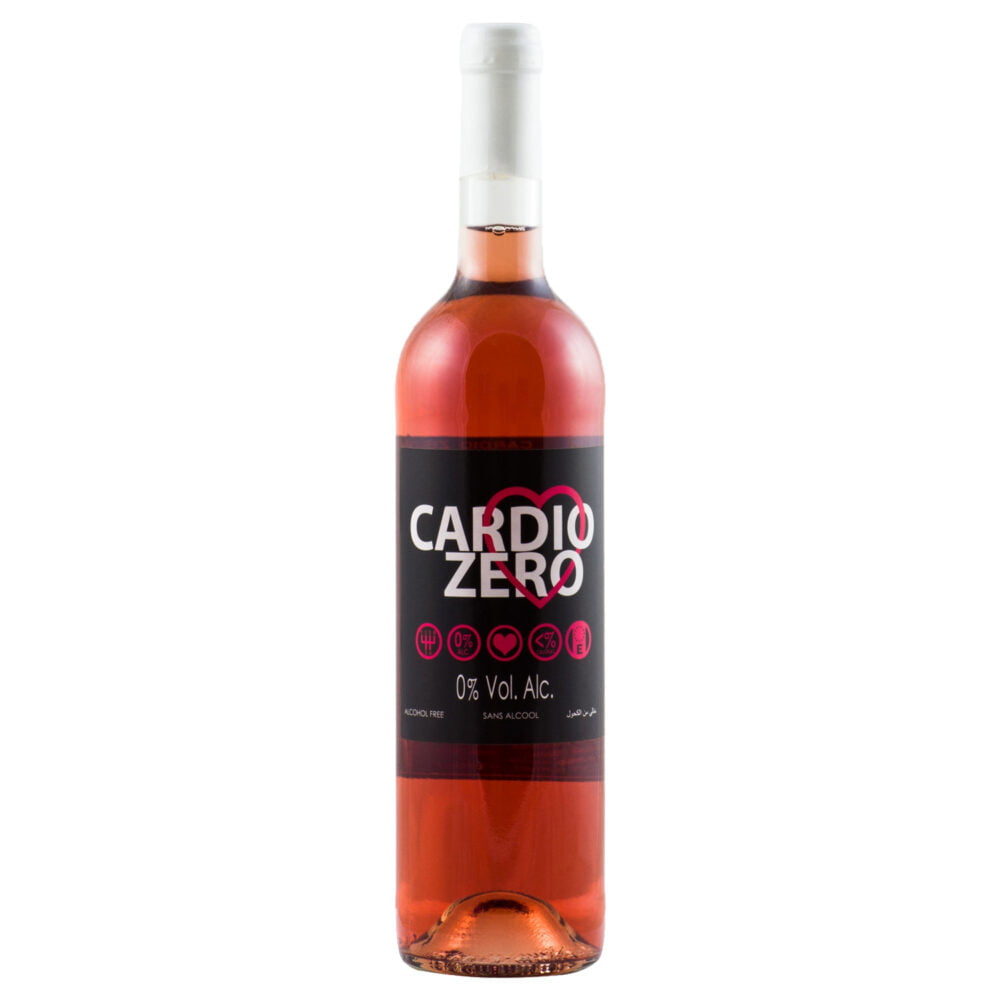
Elivo Cardio Zero Rosé
- 0.0%
- 0.0 g sugar per 100 mL
- Dealcoholized
- Spain
The rosé of the same zero-sugar Elivo range, dealcoholized in Spain.

French Bloom L'Extra Brut
- 0.0%
- 0.0 g sugar per 100 mL
- Dealcoholized
- France
Organic Chardonnay from the Languedoc, dealcoholized, with no added sugar: citrus and mineral, with bright acidity.
Each of these is dry. If you like a fuller or sweeter glass, the trade is a few more calories, still a fraction of wine’s. The low-sugar wine shelf gathers the rest.
Browse every non-alcoholic wine, or go straight to the low-sugar shelf.
And a whole bottle
A 750 mL bottle pours five 5 oz glasses:
About 140
A typical non-alcoholic wine, per bottle.
About 400
The sweetest styles we stock.
About 600
A bottle of wine with alcohol.
Sugar is the number to watch
Because sugar sets the calories, it is the more useful figure on the label. Across the same 118 wines the middle sits at about 3.3 g of sugar per 100 mL, and 49 of them are under 3 g, which reads as dry. Here is a spread from the driest we stock to the sweetest:
Our picksAlso comparedg sugar per 100 mL
- Elivo Cardio Zero White0.0 g0.0% · Dealcoholized · Spain
- Elivo Cardio Zero Red0.0 g0.0% · Dealcoholized · Spain
- Elivo Cardio Zero Rosé0.0 g0.0% · Dealcoholized · Spain
- French Bloom L'Extra Brut0.0 g0.0% · Dealcoholized · France
- Saint Viviana Cabernet Sauvignon0.4 g<0.5% · Dealcoholized · United States
- Elivo Zero Zero Deluxe White0.6 g0.0% · Dealcoholized · Spain
- Kolonne Null Riesling2.9 g<0.5% · Dealcoholized · Germany
- Lussory Chardonnay3.5 g0.0% · Dealcoholized · Spain
- Pierre Zéro Grenache4.2 g<0.5% · Dealcoholized · France
- Stella Rosa Naturals Rosé12.0 g<0.5% · Dealcoholized · Italy
- Stella Rosa Naturals Black12.0 g<0.5% · Dealcoholized · Italy
Our guides line bottles up the same way: the overall picks, reds and sparkling.
Reading a non-alcoholic wine label
Servings differ
Among the wines we stock we have seen 125 mL, 150 mL, 240 mL (8 fl oz) and 360 mL (12 fl oz). Convert to the same pour, or compare per 100 mL, before you decide.
Zero is rounded
US labels round anything under 5 calories, or under half a gram of sugar, down to zero, so read 0 as next to nothing.
“No added sugar” isn’t “no sugar”
Grape sugar still counts, and some wines add grape juice concentrate back for body.
Words that point to sugar
Dry, brut and extra brut mean less; sweet, demi-sec, Moscato and dolce mean more.
Does it help with weight?
Swapping wine for a dry non-alcoholic wine removes around 100 calories a glass, and that adds up over a week. Beyond that we are a shop, not a dietitian: for a weight or blood-sugar plan, the label numbers above are the useful part to take to whoever is advising you. If sugar is your main concern, which drinks carry the least sugar goes further.
Keep reading: what happens after 30 days without alcohol and which drinks have the least sugar.
Common questions
Does non-alcoholic wine have fewer calories than regular wine?
Yes, usually by about 100 calories a glass. A 5 oz glass of wine at 12.5% alcohol carries around 120 to 125 calories, most of them from the alcohol. The typical non-alcoholic wine we stock comes to about 27 calories for the same glass.
How many calories are in a bottle of non-alcoholic wine?
About 140 for a typical bottle, since 750 mL pours five 5 oz glasses. Dry bottles can come in under 50, and the sweetest styles reach about 400. A bottle of wine with alcohol is closer to 600.
How much sugar is in non-alcoholic wine?
It ranges from none to about 12 g per 100 mL. Across the wines we stock the middle is about 3.3 g per 100 mL, and anything under 3 g reads as dry. Labels quote different serving sizes, so compare per 100 mL or per 5 oz glass.
Is any non-alcoholic wine calorie-free?
A few dry wines label 0 calories, such as the Elivo Cardio Zero range. US labels round anything under 5 calories a serving down to zero, so read it as next to nothing rather than none at all.


